Choosing between a Craftsman on a leafy block and a glassy mid-century in the hills can feel like picking a lifestyle, not just a house. You want character, comfort, and long-term value without surprise costs. In this guide, you’ll learn how Berkeley’s most common home styles live day to day, where they’re typically found, what to expect for maintenance and inspections, and how each style can impact resale. Let’s dive in.
Why style matters in Berkeley
Style often tracks with era, layout, and building systems. That affects your daily living, energy use, and future project list. Older homes can offer rich details and walkable locations, while newer or remodeled homes tend to reduce near-term maintenance. Berkeley also has active preservation, seismic realities, and rental rules that can shape your decisions, so it pays to understand the basics before you write an offer.
Historic and period homes
Craftsman and bungalows
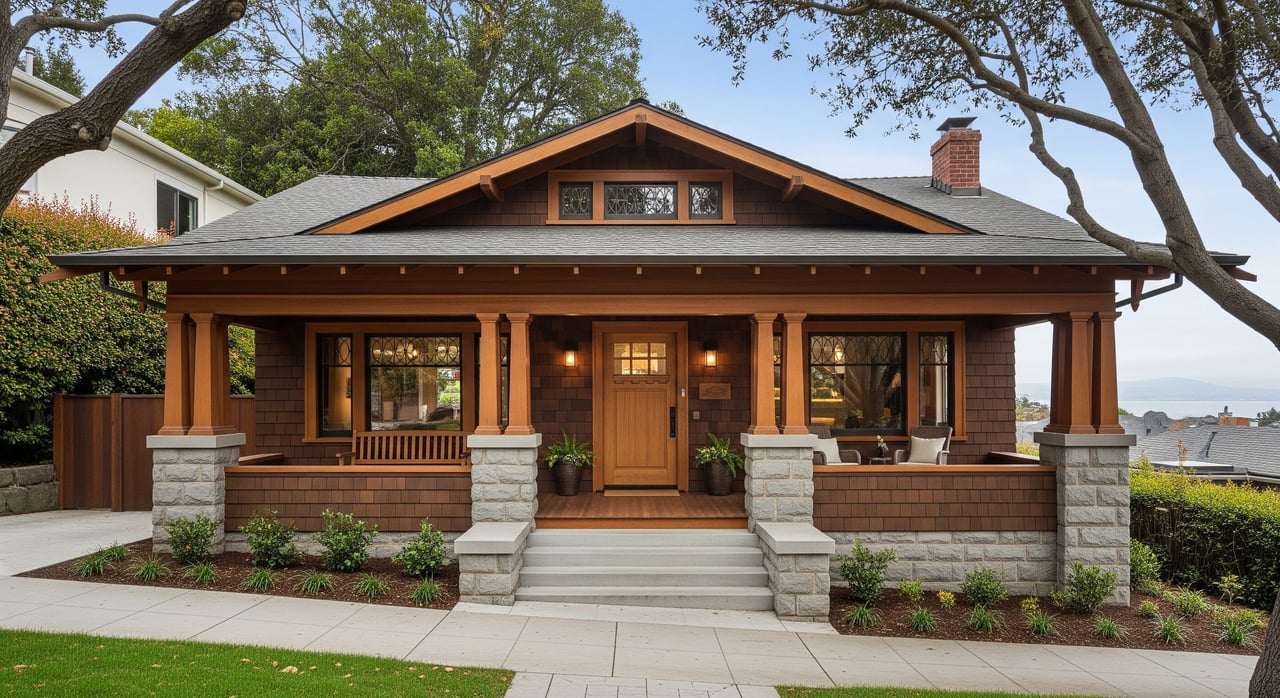
Look and layout: One to one-and-a-half stories, low-pitched roofs, wide porches, exposed rafters, and built-ins. Rooms can be smaller by today’s standards.
Lives like: Cozy and efficient, often with strong porch and yard connection. Good fit if you value character and a manageable footprint.
Maintenance and upgrades: Expect periodic painting and wood repair, drafty single-pane windows, and possible updates to older plumbing and electrical. Pre-1978 paint may contain lead.
Renovation and inspections: Kitchens often open well to living spaces. Check permit history, electrical capacity, and signs of hidden rot in eaves. Review seismic bracing and foundation bolting.
Where you see them: Common across North Berkeley, Elmwood, and parts of South Berkeley.
Victorian and Edwardian
Look and layout: Multi-story with steep roofs, bay windows, high ceilings, and formal rooms. Often larger interiors with vertical living.
Lives like: Grand and spacious with more stairs and defined rooms. Works if you want period detail and are comfortable managing upkeep.
Maintenance and upgrades: Decorative trim and complex roofs add cost. Original wiring or plumbing may remain, and chimneys or masonry may need seismic attention.
Renovation and inspections: Modernizing kitchens and baths can be transformative but pricier due to scale and historic fabric. Confirm if any historic designation affects exterior changes.
Where you see them: Central Berkeley, with pockets in West and South Berkeley.
Tudor and Mediterranean Revival
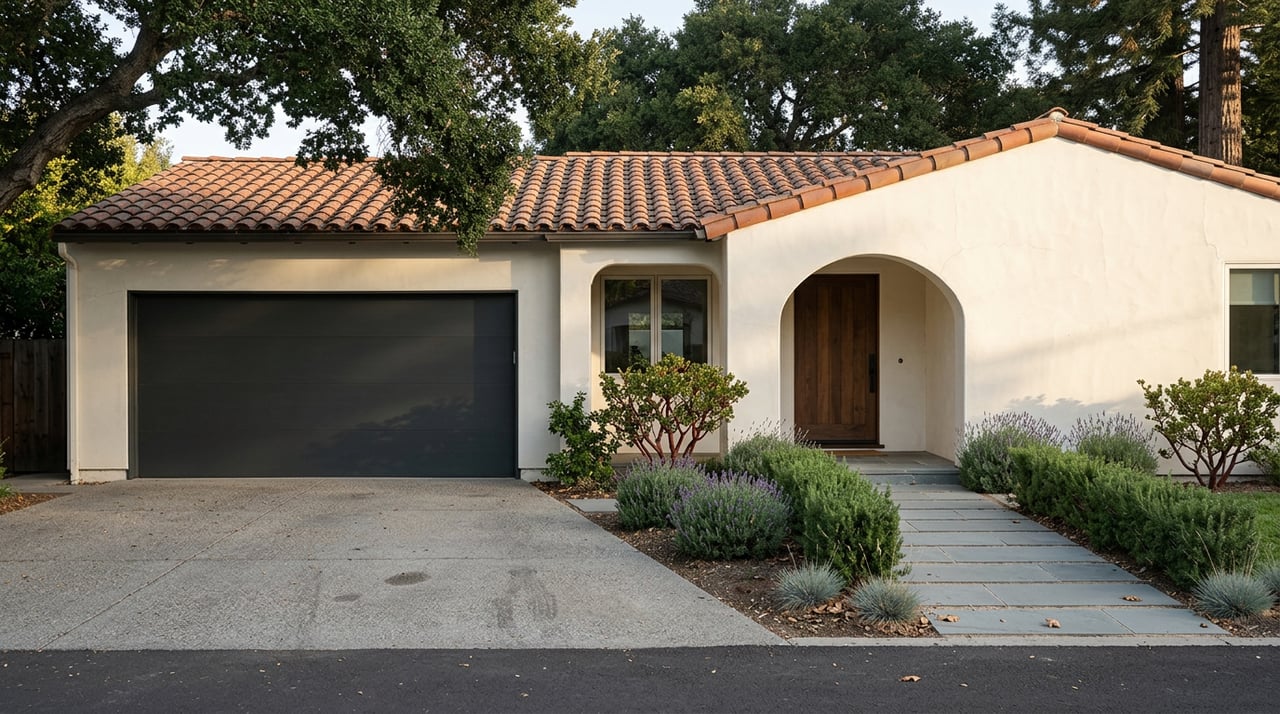
Look and layout: Stucco or masonry exteriors, arched entries, tile roofs for Mediterranean, and steeply pitched roofs for Tudor. Often formal interiors.
Lives like: Distinct character with defined rooms, yard, and garage options.
Maintenance and upgrades: Stucco and tile roofs need specialized care. Watch for moisture issues from poor drainage. Evaluate any unreinforced masonry for seismic considerations.
Renovation and inspections: Focus on drainage, roof condition, and seismic strengthening. These homes balance charm with more manageable scale than big Victorians.
Where you see them: Scattered across early 20th-century tracts.
Mid-century and hillside homes
Mid-century modern and ranch
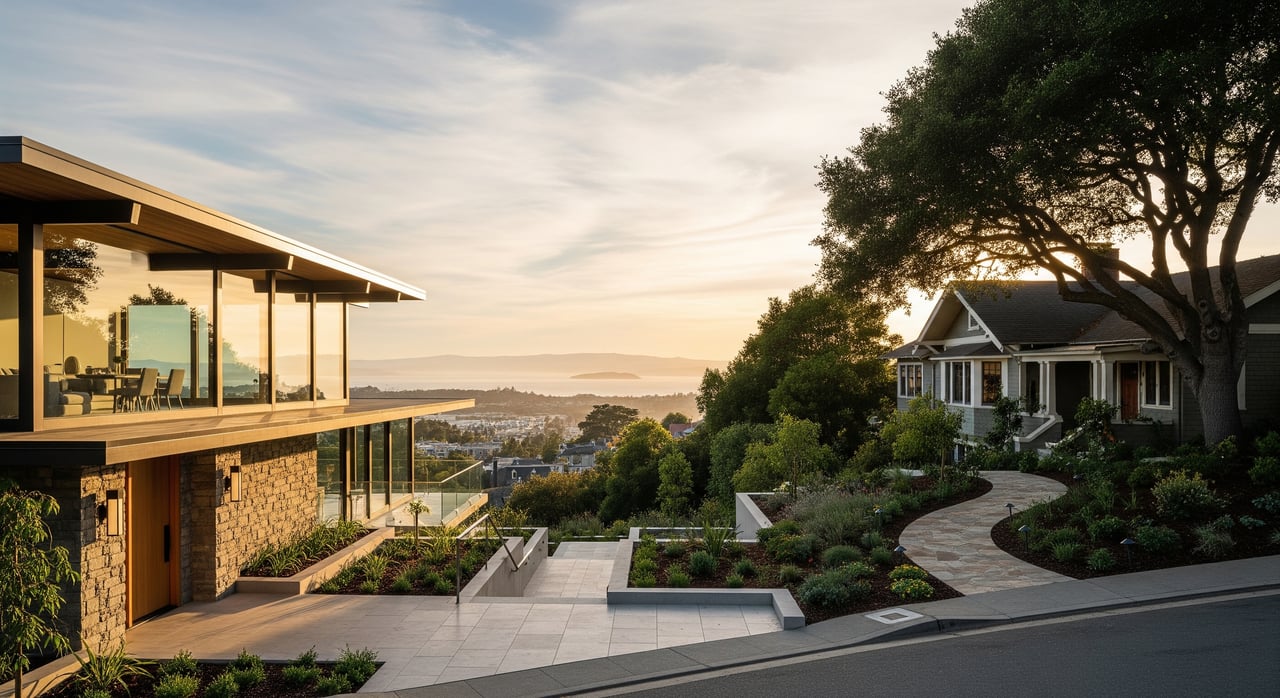
Look and layout: Single-story or split-level, open interiors, large glass, low or sloped roofs, and indoor to outdoor flow. Many sit on hillside lots with views.
Lives like: Informal and airy with strong connection to decks and yards. Popular for single-level living and design-forward buyers.
Maintenance and upgrades: Low-slope or flat roofs may need more frequent work. Large glass can be thermally inefficient. Hillside foundations and post-and-beam connections deserve engineering review.
Renovation and inspections: Seismic retrofits can be impactful and sometimes complex. Check for older finishes that may contain hazardous materials.
Where you see them: Berkeley Hills and later-developed parcels.
Contemporary and remodeled homes
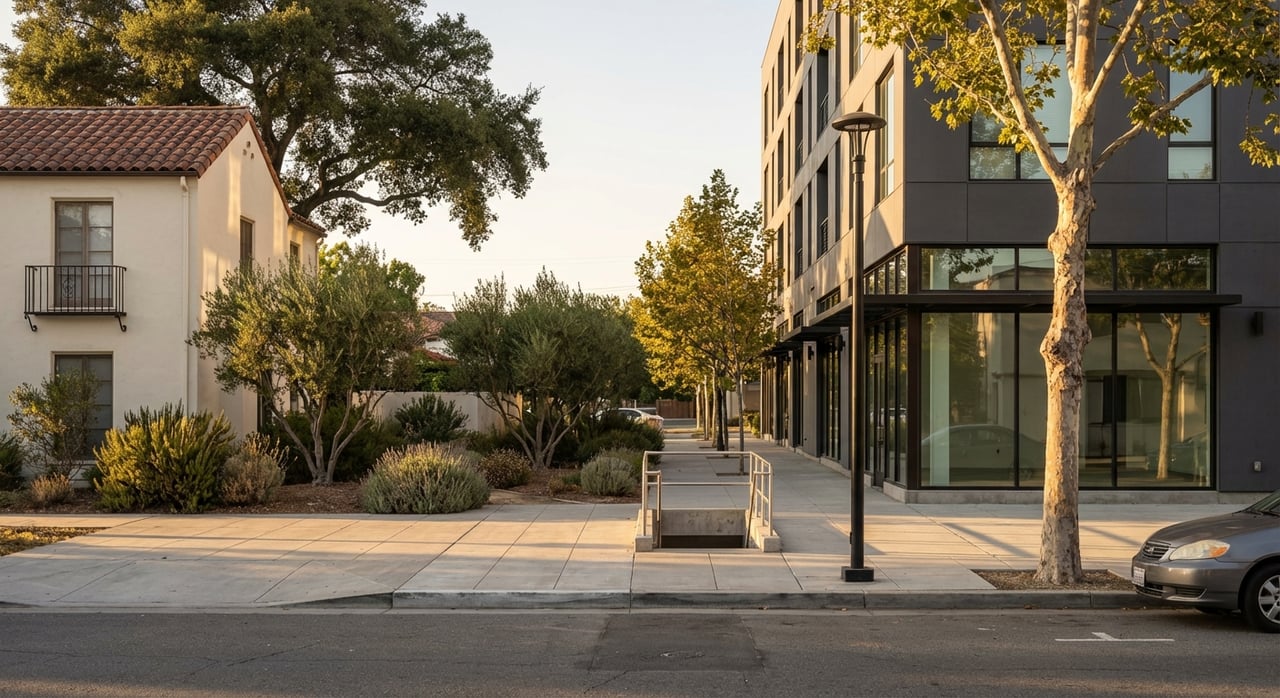
Newer builds and gut remodels
Look and layout: Open plans, modern systems, better insulation and windows, and contemporary finishes. Often turnkey with integrated tech.
Lives like: Lower immediate maintenance with energy-efficient comfort.
Maintenance and upgrades: Even newer homes need drainage review and foundation checks, especially on slopes. Confirm any builder or remodel warranties.
Renovation and inspections: Less urgent system work, but always verify permits and quality of previous construction.
Pricing and resale: Typically command a premium per square foot for modern systems and finishes.
Multi-unit choices
Pre-war flats and bungalow courts
Look and layout: Garden-style buildings or larger pre-war flats with shared yards or stairways. Wood framing is common.
Lives like: Lower exterior maintenance for unit buyers, with shared systems managed by the building or HOA. Location can be a priority over private yard space.
Maintenance and upgrades: Older systems and seismic vulnerability are common if unretrofitted. Elevator service is uncommon in smaller buildings.
Regulatory lens: Review rent stabilization status and tenant protections if buying a rental unit.
Duplexes and small multi-units
Look and layout: Two to four units, sometimes converted older homes or purpose-built small multi-family.
Lives like: Owner occupants can offset housing costs with rental income, balanced by management and maintenance duties.
Maintenance and upgrades: Expect seismic and capital project planning. Financing and insurance differ from single-family loans.
Regulatory lens: Rent caps and tenant protections affect rents, improvements, and turnover planning. Document existing leases and rent history.
Inspections, permits, and financing
Berkeley’s age range means you should budget time for thorough due diligence. Start with permit history and disclosure review, then layer in specialty inspections as needed.
- Seismic and structure: Evaluate foundation bolting, cripple-wall bracing, and any masonry or chimney stabilization. Ask for engineer documentation for prior retrofits.
- Systems and safety: Identify knob-and-tube wiring, galvanized plumbing, and the condition of electrical panels and water heaters. Confirm presence of lead-based paint or asbestos in older finishes.
- Roofs, drainage, and slope: Low-slope roofs and hillside drainage merit close attention. Look for signs of water intrusion or soil movement.
- Sewer lateral: Confirm sewer lateral condition, since repair or replacement can be a material expense.
- Energy and comfort: Expect single-pane windows and minimal insulation in older homes. Plan for insulation, window, and HVAC upgrades if efficiency is a priority.
Confirm any historic or design review triggers before planning exterior work through the City’s resources. The City’s planning and building information is available on the City of Berkeley website, and local history and design guidance is available through the Berkeley Architectural Heritage Association.
For multi-unit purchases, review rent stabilization rules and allowable rent adjustments with the Berkeley Rent Stabilization Board. For parcel research and tax records, the Alameda County Assessor is a helpful reference.
Insurance is another key lens. Standard homeowner policies do not include earthquake coverage in California. Review options and premium impacts with the California Department of Insurance. If you are considering hillside properties, ask insurers about wildfire risk assessments and availability.
If you are curious about the age mix of housing stock or tenure trends, the U.S. Census American Community Survey provides broad context for Berkeley and Alameda County.
Buyer checklist for Berkeley
- Request and review: full seller disclosures, permit history, and any engineering reports for seismic work.
- Order inspections: general home, roof, foundation, pest, sewer lateral, and specialty evaluations for electrical, plumbing, and hazardous materials where indicated.
- Verify designations: confirm historic status or conservation district overlays with the City, since these can affect exterior changes.
- Confirm utility and energy items: window type, insulation levels, and HVAC age, then budget for improvements.
- Assess slope and drainage: especially for hillside homes, check retaining walls, grading, and water management.
- For multi-units: verify rent stabilization status, tenant leases and rent history, and building safety compliance through the Rent Board and City records.
- Explore ADU options: review local processes with the City of Berkeley for accessory dwelling units and setbacks.
- Align financing: match loan type to property type, for example single-family vs. multi-unit or condo underwriting.
Match style to your lifestyle
- Character vs. maintenance: Craftsman and Victorian homes offer detail and charm, but usually require more ongoing care and system upgrades. Contemporary homes reduce near-term projects but can trade off on historic feel.
- Stairs vs. single-level living: Many historic and hillside homes are multi-story. Mid-century ranches and some contemporary homes allow easier single-level living.
- Views vs. proximity: Hillside homes often win on views and lot size. Central neighborhoods often offer shorter trips to services and transit with smaller private yards.
- Renovation ROI: Kitchens and baths tend to deliver the strongest returns across styles. Match your project scope to neighborhood norms to protect resale.
If you want a guided approach that weighs style, inspections, and resale in the context of Berkeley’s market, connect with Nancy Noman for a curated search and calm, step-by-step representation. Book an appointment.
FAQs
What Berkeley home styles are most common?
- Craftsman bungalows, Victorians and Edwardians, period revivals like Tudor and Mediterranean, mid-century modern and ranch homes in the hills, and contemporary remodels or infill.
How do earthquakes affect older Berkeley homes?
- Many older homes benefit from seismic upgrades like foundation bolting and cripple-wall bracing, so verify permits and obtain engineer documentation for any prior retrofit.
Are historic homes harder to renovate?
- Renovations can be more complex and costly due to craft details and potential design review if a property is landmarked, so confirm status with the City and plan timelines accordingly.
What should I prioritize during inspections?
- Structure and foundation, roof and drainage, seismic vulnerabilities, electrical and plumbing materials, hazardous finishes, insulation and windows, pest or dry rot, and permit history for major work.
How do rent rules affect duplex or triplex purchases?
- Review rent stabilization status, lease terms, rent history, and capital improvement obligations with the Berkeley Rent Stabilization Board before finalizing numbers.