Thinking about which upgrades will actually move the needle when you sell in Lafayette? In the East Bay’s $1M–$2M market, buyers scan listings fast and favor homes that feel turnkey, efficient, and easy to live in. You want to invest where it counts without overspending.
This guide breaks down which projects typically add the most appeal in Lafayette, what local costs look like, and how permits and timelines fit into your plan. You’ll also see how to prioritize based on when you plan to sell. Let’s dive in.
What buyers expect in Lafayette
Buyers in Lafayette and nearby Contra Costa suburbs often shop in the $1M–$2M range. In this tier, they tend to look for move‑in‑ready condition, clean design, and functional outdoor space. Many also pay attention to energy efficiency and the condition of major systems.
Local market updates and national surveys suggest that updated kitchens and baths, good lighting, and low‑maintenance yards consistently increase appeal. You can explore broader consumer trends in the NAR buyer and seller reports.
Kitchen updates that sell
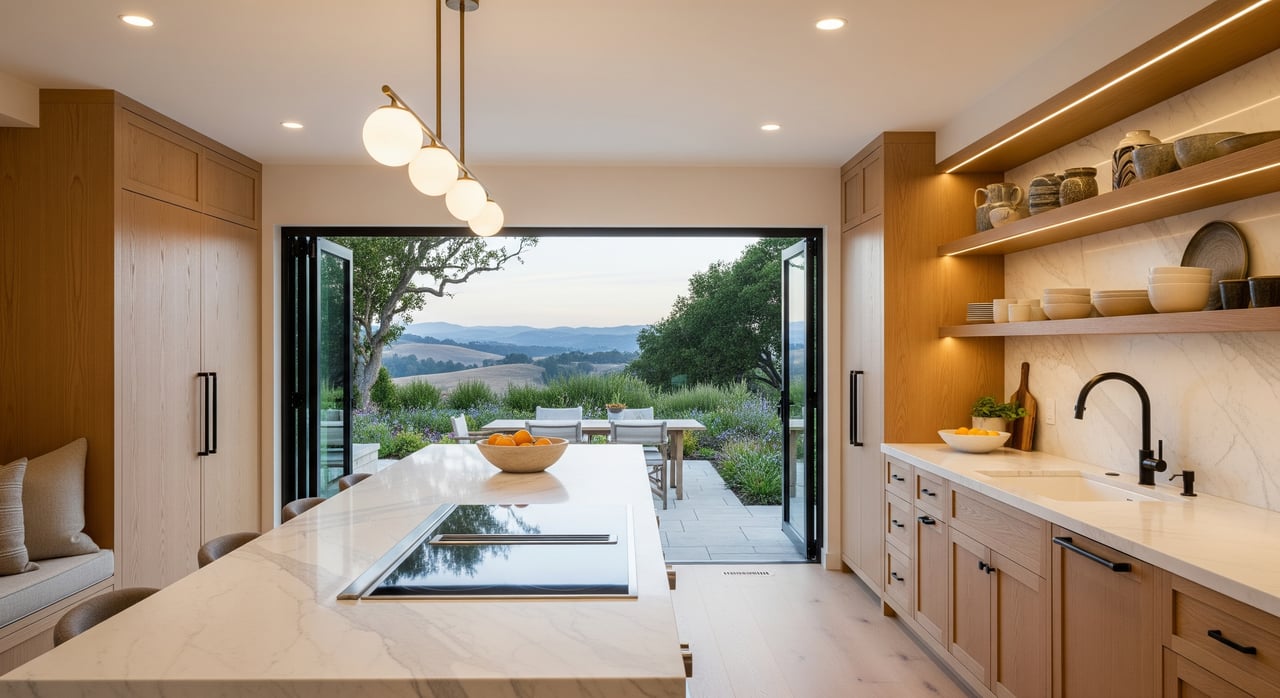
A modern, functional kitchen is one of the top drivers of perceived value. In Lafayette, a smart refresh often outperforms a costly full gut when your goal is near‑term resale.
Refresh vs. remodel
- Refresh scope: paint or refinish cabinet faces, swap hardware, install quartz or stone countertops, add a backsplash, update sink and faucet, replace one or two appliances, and improve lighting.
- Full remodel scope: new layout, new cabinets, new flooring and lighting, all new appliances, and possible structural work to open walls.
Local costs
- Refresh: about $10,000–$40,000 depending on materials and how many appliances you replace.
- Full remodel: about $50,000–$150,000+ based on scope, finishes, and structural changes.
Bay Area pricing runs higher than national averages. For broad regional comparisons, see the regional Cost vs. Value report comparisons.
Style choices that resonate
- Aim for a clean, neutral palette with durable surfaces.
- Prioritize storage and a logical work triangle.
- Upgrade lighting so the space feels bright and inviting.
Permits and timing
- Cosmetic work typically does not require permits.
- Electrical, gas, plumbing, or structural changes do require permits, which can add 2–8 weeks plus contractor lead time.
Outdoor living and curb appeal
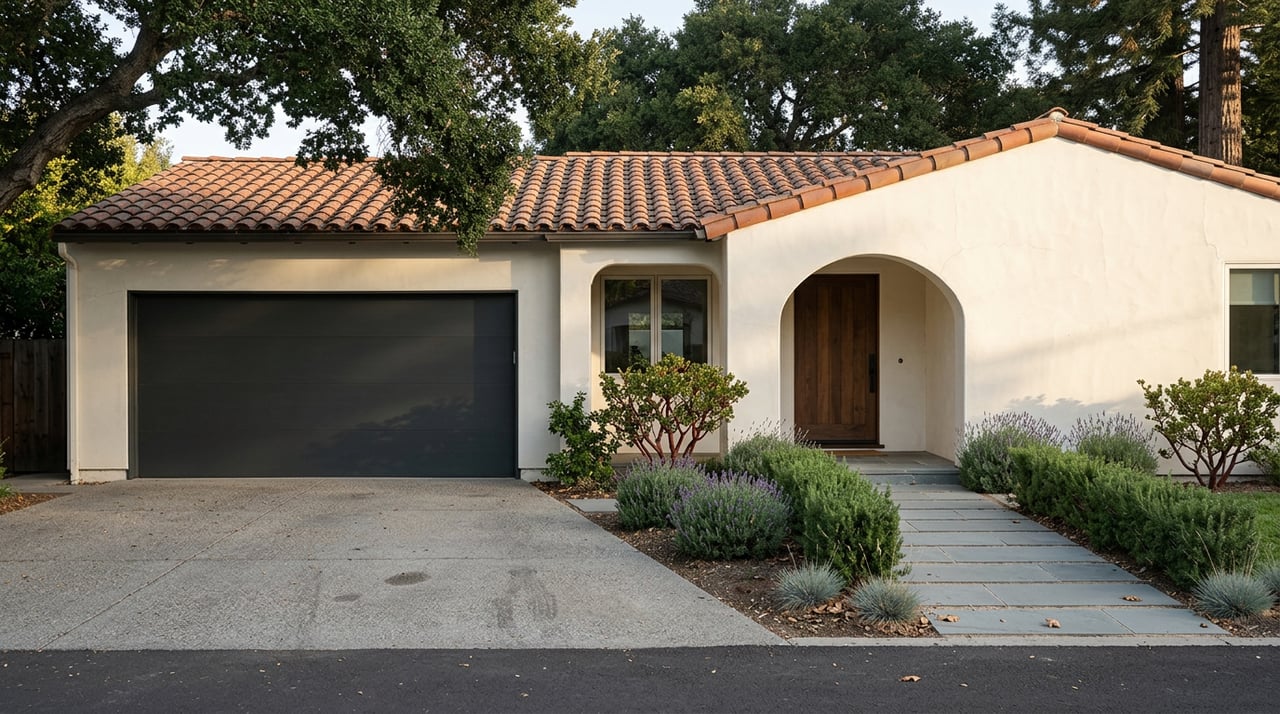
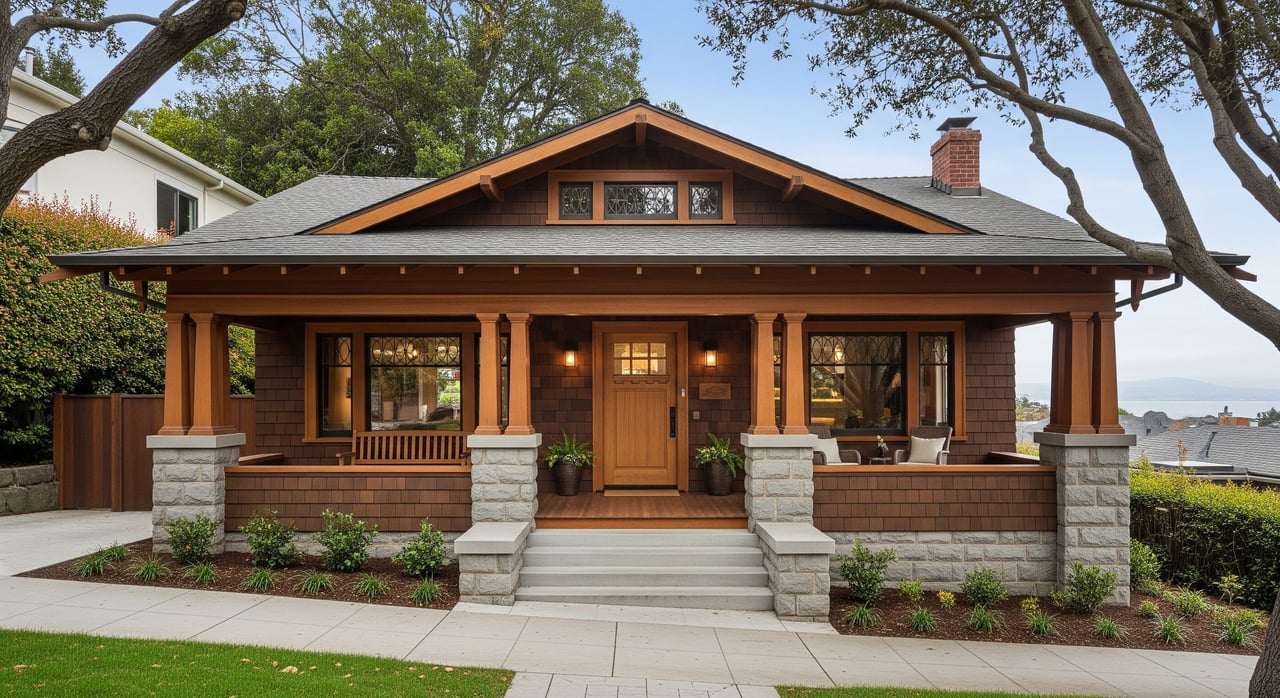
Outdoor spaces matter in Lafayette. Usable patios and decks, defined dining or lounging zones, and tidy, drought‑aware landscaping tend to widen buyer appeal.
Project ideas and costs
- Basic curb refresh: $3,000–$15,000 for plantings, mulch, irrigation tune‑ups, and exterior lighting.
- Mid‑range patio or deck with landscaping: $15,000–$50,000.
- Higher‑end hardscape, outdoor kitchen, or significant retaining work: $50,000–$100,000+.
What to prioritize
- Create a clear path from interior to exterior living areas.
- Level, durable surfaces underfoot for dining and seating.
- Low‑maintenance plant selections and drip irrigation.
Permits and constraints
- Decks, retaining walls, and some paving can trigger permits. Check setbacks and local stormwater rules before you start.
Lighting that elevates rooms
Lighting is a high‑impact, relatively low‑cost way to modernize your home and your photos. It also signals that electrical systems have been updated.
Where to focus
- Replace dated fixtures in entry, dining, and primary living areas.
- Add recessed lights where ceilings allow, especially in kitchens and family rooms.
- Use dimmers and smart switches for layered control.
Typical costs
- Fixture swaps: roughly $200–$1,000 per fixture installed.
- Recessed lighting: about $150–$500 per light, plus any panel work if needed.
- Whole‑house refresh with smart controls: about $2,000–$12,000 depending on scope.
Permits and timeline
- If you go beyond simple fixture swaps, plan on using a licensed electrician and permits. Scheduling and inspections often take 1–3 weeks.
Flooring that feels new
Buyers in this price tier respond well to consistent, hard‑surface flooring in common areas. Worn carpet can be a distraction.
Options and costs
- Refinish existing hardwood: about $3–$6 per square foot.
- New engineered or mid‑range hardwood: about $8–$20+ per square foot installed.
- Luxury vinyl plank: about $3–$12 per square foot installed.
- Tile for baths and kitchens: about $8–$25+ per square foot.
Quick wins
- Choose one material for main living areas to create flow.
- Use durable, water‑resistant surfaces in kitchens and baths.
- Keep color tones light to medium to help spaces read larger.
Energy and systems upgrades
Modern systems reduce surprises during inspections and can lower ownership costs. In the East Bay, buyers increasingly ask about HVAC, insulation, windows, water heating, and solar.
Common projects and costs
- High‑efficiency heat pump HVAC: about $8,000–$25,000 depending on size and duct work.
- Attic insulation and air sealing: about $1,000–$6,000.
- Window replacement: about $500–$1,500+ per window installed.
- Solar PV systems: about $15,000–$35,000 for modest systems before incentives and $25,000–$60,000+ for larger systems or with battery storage.
Incentives to explore
- Regional rebates and home upgrade programs are available through BayREN rebates.
- Utility programs and solar interconnection are managed through PG&E programs and solar interconnection.
- State policy and program details are summarized by the California Energy Commission incentive summaries.
Incentive levels change often, so verify current eligibility and amounts before you commit.
Buyer appeal
- Documented energy improvements and updated systems can reduce buyer concerns and strengthen your position during negotiations.
- Keep all permits, service records, and warranties organized for disclosure.
Prioritize by your timeline
Your timeline should drive your scope. Here is a simple framework for Lafayette sellers:
If listing in under 3 months
- Address obvious safety and system issues first.
- Do high‑impact cosmetic updates: paint, lighting, cabinet hardware, minor kitchen refresh, and flooring touchups.
- Declutter, deep clean, and plan professional staging and photography.
If listing in 3–9 months
- Tackle mid‑range projects: larger kitchen refresh, landscaping overhaul, or lighting across multiple rooms.
- Consider targeted systems work such as attic insulation or partial HVAC upgrades.
- Order materials with longer lead times early, especially custom items.
If staying 3+ years
- Invest in quality systems and energy upgrades where incentives and personal utility savings make sense.
- Consider a more comprehensive kitchen remodel if layout is a limitation.
- Build out outdoor living that you will use now and future buyers will appreciate.
Plan, permits, and contractors
The East Bay has busy trades and permitting queues, so build a realistic schedule.
- Permits: Structural, electrical, plumbing, HVAC, and many exterior projects require permits and inspections. Unpermitted work can slow or derail a sale.
- Lead times: Plan on 4–12+ weeks from design to installation for mid‑sized projects. Specialty trades and custom orders often take longer.
- Licensed pros: Hire contractors with local code experience. Get written bids, a clear scope, permit responsibilities in writing, and a schedule with milestones.
- Documentation: Save permits, finals, invoices, and manuals. Organized records reduce friction during disclosures and inspections.
For broad local market context, you can monitor Contra Costa Association of Realtors market updates alongside national trends in the NAR buyer and seller reports.
Bringing it together
In Lafayette’s $1M–$2M market, the best returns typically come from fixing major system issues, then focusing on cosmetic updates that show beautifully and photograph well. A thoughtful kitchen refresh, consistent flooring, improved lighting, and defined outdoor spaces tend to punch above their cost. Energy and systems upgrades help you clear inspections with fewer surprises and can differentiate your home.
If you are weighing which projects fit your budget and timing, let’s tailor a plan to your goals. For calm, data‑driven guidance and premium preparation, connect with Nancy Noman. Book an appointment.
FAQs
Which Lafayette home upgrades usually add the most value?
- Start with safety and system fixes, then prioritize cosmetic updates such as paint, lighting, flooring, and a modest kitchen refresh. Outdoor living improvements also rate highly with local buyers.
Are full kitchen remodels worth it before selling in Lafayette?
- Not always. A tasteful refresh often achieves most of the perceived value at a lower cost. Consider a full remodel only if layout or condition is a clear barrier and your timeline allows.
How important are energy upgrades to East Bay buyers?
- Increasingly important. Documented improvements to HVAC, insulation, windows, water heating, and solar can reduce buyer concerns and support your pricing position.
Do I need permits for common Lafayette updates?
- Painting, fixture swaps, and flooring typically do not. Electrical, plumbing, structural, HVAC, decks, and significant exterior work usually do. Always confirm requirements before starting.
How should I prioritize if I am on a tight budget?
- Fix major system issues first, then do neutral, high‑impact cosmetic updates. Focus on lighting, hardware, paint, and counters if feasible, then stage and photograph well.