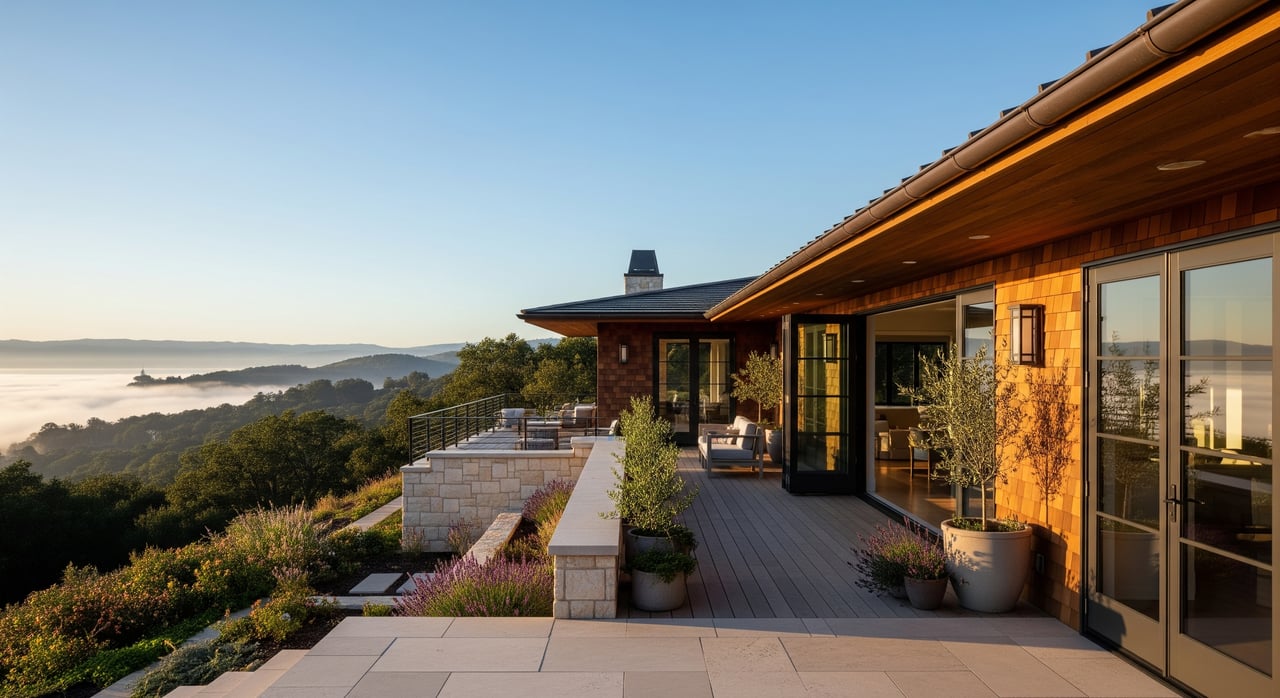
Ever notice how a quick drive across Orinda can feel like you crossed into a new season? In the East Bay hills, small changes in slope and elevation create real differences in sun, fog, wind, and temperature. If you are buying in Orinda or Lamorinda, those microclimates shape daily comfort, energy use, landscaping, and long-term maintenance. This guide explains what to look for, when to tour, and how to balance tradeoffs so you can choose the right home with confidence. Let’s dive in.
What creates Orinda’s microclimates
Orinda sits in narrow valleys and steep hills that bend sea breezes and morning fog as they move inland from the Bay. Sun warms hillsides at different rates, then cool air drains into valleys at night. Ridge tops feel windier, while sheltered canyons stay calmer and can hold colder air.
Across the Bay Area, nearby spots can experience different conditions at the same time. In Orinda, these differences are amplified by slope, orientation, and elevation. That is why the same day can feel brisk on a north-facing hillside and warm on a sunny south-facing patio.
Sun exposure and orientation
South and southwest slopes
South and southwest exposures get the most sun year-round. You feel more winter warmth through windows and stronger summer heat in late afternoon. These areas are strong for rooftop solar and vegetable gardens, but they can need more irrigation and sun protection for decks and finishes.
East-facing slopes
East-facing slopes receive gentle morning sun and more afternoon shade. Bedrooms here warm naturally in the morning and stay cooler later in the day. Outdoor areas often feel comfortable earlier, which can extend usable morning hours in summer.
North-facing slopes
North aspects stay cooler and shadier with longer-lasting moisture. Shade-loving plantings do well, and irrigation needs can be lower. Watch for moss or mildew on siding, roofs, and shaded paths.
Fog and the marine layer
Morning fog and low clouds push inland through gaps in the hills. Some valleys collect fog longer, while other ridgelines clear quickly. Fog slows early-day warming and adds humidity.
In fog-prone spots, exterior materials dry more slowly. You may see moss on roofs, algae on decks, or faster paint wear on shaded sides. Gardens can benefit from fog drip, especially for moisture-tolerant plants.
Wind and temperature swings
Ridge tops and exposed slopes feel stronger daytime sea breezes and occasional offshore wind events in fall. Sheltered valleys see lighter winds but can trap stagnant air during poor air-quality days.
Wind increases heat loss in winter and can push rain into weak points in older roofs and windows. Outdoor rooms in exposed areas may need wind screens or thoughtful planting. In calmer pockets, cross-ventilation becomes more important for summer comfort.
Valleys, cold pockets, and afternoon heat
At night, cool air drains downhill and pools in low-lying spots. These pockets can be colder in the morning and more prone to frost in winter. On sunny slopes, late-day heat can build and drive up afternoon cooling needs.
A quick way to gauge this is to visit the same home at different times. Compare mid-morning and late afternoon in summer, and check early mornings in winter.
Slope, soils, and drainage
Hillsides need good drainage design and stable retaining systems. Soil depth and rock outcrops vary across the hills, which affects planting choices and how a foundation performs.
Look for clear downspout extensions, well-kept swales or drains, and retaining walls without bulges or cracks. On slopes, smart irrigation and erosion control protect both the yard and the structure.
Wildfire and smoke preparedness
The East Bay hills have seasonal wildfire risk. Slope, vegetation type, and access influence hazard levels, and smoke episodes can impact air quality. Defensible space, Class A roofing, ember-resistant vents, and cleared gutters all help.
Valley locations can hold smoke longer when air is stagnant. If you are sensitive to air quality, consider filtration and mechanical ventilation options.
Buyer checklist for any tour
Use this quick list during showings:
- Orientation: note the direction of major windows and where the sun is during your visit.
- Moisture cues: look for moss, mildew, lichen, algae, and soft or peeling paint in shaded areas.
- Roof and gutters: check for staining, moss, sagging, or missing shingles.
- Foundation and retaining walls: scan for cracks, bowing, or soil movement.
- Trees: assess distance from the structure, signs of root heave, lean, or dead limbs.
- Comfort features: confirm operable windows, cross-ventilation paths, eaves or overhangs, and shade trees where useful.
Showing strategy by season
Spring: drainage and plant health
- Walk the site after rains or irrigation and look for puddling or runoff.
- Check shaded areas for slime or mold buildup from winter moisture.
- Clean, well-channeled gutters and downspouts are a plus.
Summer: heat gain and ventilation
- Visit late afternoon on a warm day to test indoor heat levels.
- Open windows to gauge cross-breezes and consider whether AC is sized appropriately.
- Evaluate outdoor shade for patios and play areas.
Fall: wind and wildfire readiness
- Ask about defensible space and fuel reduction around the home.
- Inspect roofing for loose materials in wind-exposed spots.
- Review filtration and ventilation for smoke events.
Winter: fog, cold, and waterproofing
- Tour in the morning to check for drafts and dampness after fog.
- Look in the attic and basement for condensation and insulation quality.
- Note any frost in low-lying areas on cold mornings.
Energy, solar, and comfort planning
South and southwest roofs often deliver the best solar production. Shade from trees or nearby hills lowers output, so a roof-level look at the intended time of day helps. If solar is a goal, confirm roof orientation, shading, and any existing lease details.
Comfort ties directly to exposure and wind. Sun-drenched rooms may benefit from exterior shading, low-e glazing, and ceiling fans. Wind-exposed sites may need more robust heating, air sealing, and door sweep upgrades.
Landscaping and water use by microclimate
Match plantings to the site. Sun and heat on south or southwest slopes favor drought-tolerant, sun-loving species. North-facing and fog-prone yards benefit from shade-tolerant, moisture-loving plants.
Design irrigation for slope and microclimate. Drip systems, mulching, and smart controllers reduce runoff and water use. On frost-prone sites, protect sensitive plants or choose species that tolerate occasional cold snaps.
Insurance and hazard due diligence
Wildfire risk can influence insurance options and premiums. Valley bottoms and creek corridors may require flood checks, and hillsides merit a look at slope and soils information.
Before you write an offer, review regional fire hazard maps, county GIS layers for flood and landslide, and FEMA flood maps. If you see significant slope, older retaining walls, or drainage concerns, add the right inspections.
Tools and resources to use
- Fire hazard severity maps to understand risk levels and mitigation guidance.
- County GIS and planning records for slope, flood, and landslide layers.
- FEMA’s flood map service for flood zone determinations.
- National Weather Service outlooks for fog and wind patterns.
- UC Master Gardeners and EBMUD resources for water-wise, microclimate-ready plant lists and irrigation.
- Air quality advisories for smoke episodes.
- Sun-path tools to check solar angles, plus aerial and topo maps to see aspect and shading.
Balancing tradeoffs and resale
Every microclimate offers benefits and tradeoffs. A sunny slope delivers winter warmth and great gardens, with higher summer cooling and finish wear. A sheltered canyon offers calm mornings and lower irrigation needs, with extra attention to drainage and mildew control.
For resale, buyers value comfort, manageable maintenance, and clear hazard mitigation. If you show how the home lives across seasons and how risks are addressed, you protect both enjoyment and long-term value.
Ready to evaluate a specific property? For a microclimate-aware plan, thoughtful tours in the right season, and a focused negotiation strategy, connect with Nancy Noman.
FAQs
What is a microclimate in Orinda?
- It is a localized pattern of sun, fog, wind, and temperature shaped by hills, valleys, and orientation that can change how a home feels from one block to the next.
How does slope orientation affect energy bills?
- South and southwest exposures collect more sun, which can reduce winter heating and increase summer cooling, while north aspects stay cooler and may need more heating in colder months.
When should I tour to judge heat and shade?
- Visit late afternoon on a warm summer day to see peak heat gain and check mornings in winter to experience fog, cold spots, and drafts.
What are signs a site stays damp?
- Look for moss or algae on shaded siding and decks, soft or peeling paint, musty odors, and gutters with organic buildup on the cooler, shaded sides of the home.
How do I evaluate wildfire risk at a property?
- Review fire hazard maps, check for defensible space and ember-resistant features, and verify that gutters, roofs, and vents are maintained to reduce ignition risk.
Can a shaded lot still work for solar?
- It can, if the main roof planes have adequate sun at key hours; confirm with a shading analysis and consider selective canopy management where allowed.