If you want city energy without giving up breathing room, living near downtown Walnut Creek might be your sweet spot. You get walkable coffee runs, a quick BART ride to San Francisco or Oakland, and trailheads close enough for sunset hikes. This guide shows you what daily life really feels like, from errands and dining to commuting, parks, neighborhoods, and housing costs. Let’s dive in.
Why downtown Walnut Creek works
Downtown Walnut Creek is compact, energetic, and anchored by the upscale, open-air Broadway Plaza. You can browse national brands alongside local spots, then slip into nearby side streets for cafés and dinner. That concentration supports an errands-on-foot lifestyle for many addresses close to the core. Explore the tenant mix at the official site for Broadway Plaza.
Walkability stands out. Many central blocks score high on WalkScore, which means dining, shopping, and everyday tasks are within easy reach. Check out WalkScore data for central blocks to see how the core performs.
Evenings are active. The Lesher Center for the Arts draws consistent theater and live events, while Locust Street hosts seasonal activities. Sundays usually bring a year-round farmers’ market downtown, a reliable anchor for weekly groceries and neighborhood connection. See dates and location on the Walnut Creek farmers’ market page.
Errands, dining, and weekly rhythm
Living near the core means you can cover most errands in a single loop. Broadway Plaza alone includes 70 to 80 plus stores alongside a growing mix of restaurants, which makes quick pop-ins simple between meetings or after work. That same convenience attracts regional visitors, so weekends and early evenings feel lively and, at times, crowded. Local reporting highlights strong leasing and restaurant activity in and around the mall; see SFGate’s coverage of the Broadway Plaza dining and retail boom for context.
The weekly rhythm settles into a pleasant pattern. Weeknights often mean a class or performance at the Lesher Center, a casual dinner near Main or Locust, and errands folded into a quick detour through the plaza. Sundays can start at the farmers’ market before a late-morning walk on a nearby trail.
Getting around, your commute
BART access and timing
Walnut Creek BART is the city’s primary regional transit hub. From the Walnut Creek station, typical rides land in downtown San Francisco in roughly 30 to 40 minutes, depending on service and transfers, and central Oakland in about 20 to 25 minutes. Always treat these as approximate windows because schedules vary by time and day. Review parking, bike lockers, and station details on the official Walnut Creek BART page.
If you plan to drive to BART, note that the station has a mix of BART-operated and private garages with daily and reserved options. Costs and availability can nudge your routine, so it is worth checking the latest station policies before you set a commute rhythm.
Local shuttles and the last mile
You do not have to drive around town if you prefer to keep your car parked. The County Connection “Downtown Trolley” and other free shuttles connect BART, Broadway Plaza, and the Lesher Center, which makes short hops simple. See the current list of free routes on 511 Contra Costa’s free transit page.
Walking, biking, and trail connectors
The street grid near downtown is easy to navigate on foot, and short bike rides are common for errands and station trips. The Iron Horse Regional Trail runs north–south on the east side of town with spurs that reach toward the core, creating mostly car-free routes for some commutes. For a broad overview of this corridor, browse the Iron Horse Regional Trail overview. When you combine trail access with local shuttles, you can put together a low-car lifestyle without much friction.
Parks and open space access
One of Walnut Creek’s biggest lifestyle wins is the immediate access to parks and open space.
- Heather Farm Park. A 100 plus acre community hub north of downtown with sports fields, playgrounds, aquatic and community facilities, ponds, and gardens. It is an easy weeknight stop for activities and a broad weekend destination. See the city’s facilities and rentals page for Heather Farm Park.
- Lime Ridge and Shell Ridge. These open-space areas offer wide views and miles of trails for hiking, running, and mountain biking. Most trailheads are a short drive or bike ride from the core. Get site information and trailhead details on the city’s Lime Ridge Open Space page.
- Iron Horse Regional Trail. This paved multiuse path supports bike commutes and longer weekend rides. It also links to neighborhood connectors so you can stitch together scenic routes that end at a downtown café.
- Nearby highlights. The Ruth Bancroft Garden and Borges Ranch are close enough for a quick morning or an afternoon outing. Many residents fold them into a low-key weekend without leaving town.
Neighborhoods near the core
Living near downtown does not mean one lifestyle. These nearby pockets offer different tradeoffs in yard size, proximity to BART, and walkability.
Almond-Shuey, West Downtown, Parkmead
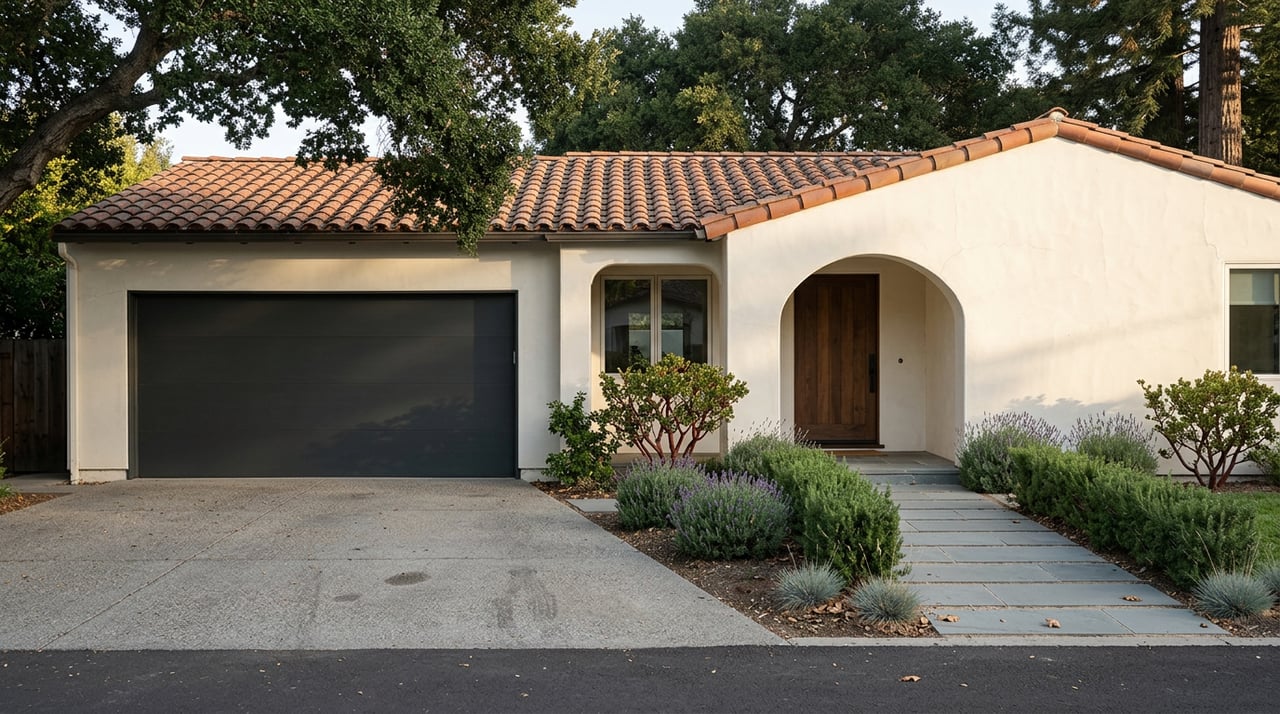
These close-in neighborhoods often sit within a 5 to 15 minute walk of the core. Expect high walkability, quick bike options to BART, and easy access to Broadway Plaza and arts venues. Homes tend to have smaller yards and established, well-kept housing stock, which pairs with a low-errand, high-convenience routine.
North of downtown, Heather Farm, Northgate
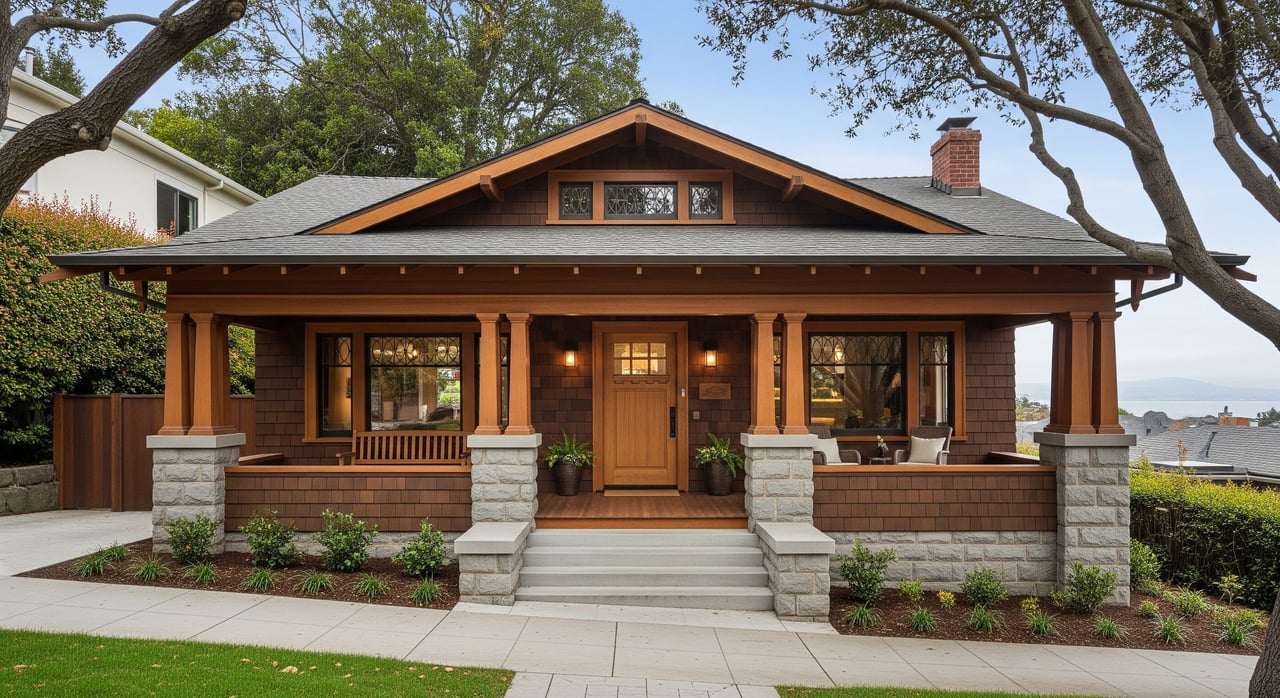
Northside areas generally offer larger lots and a more traditional suburban feel while keeping a short drive or 10 to 20 minute bike ride to the core. Heather Farm’s year-round activity makes these pockets attractive if you want bigger outdoor space and quick access to sports, classes, or trails without giving up downtown dining.
Saranap
This unincorporated pocket sits roughly one to two miles from downtown with a quieter, semi-rural feel and larger lots in many areas. Plans have discussed future mixed-use improvements along the business corridor, which could bring more local services while keeping a short drive to downtown amenities.
Rossmoor (55+)
Rossmoor is a large, age-restricted community north of the core with its own services and shopping. Many residents still visit downtown for restaurants, arts, and errands, typically within a short drive of Broadway Plaza.
Transit-adjacent at BART
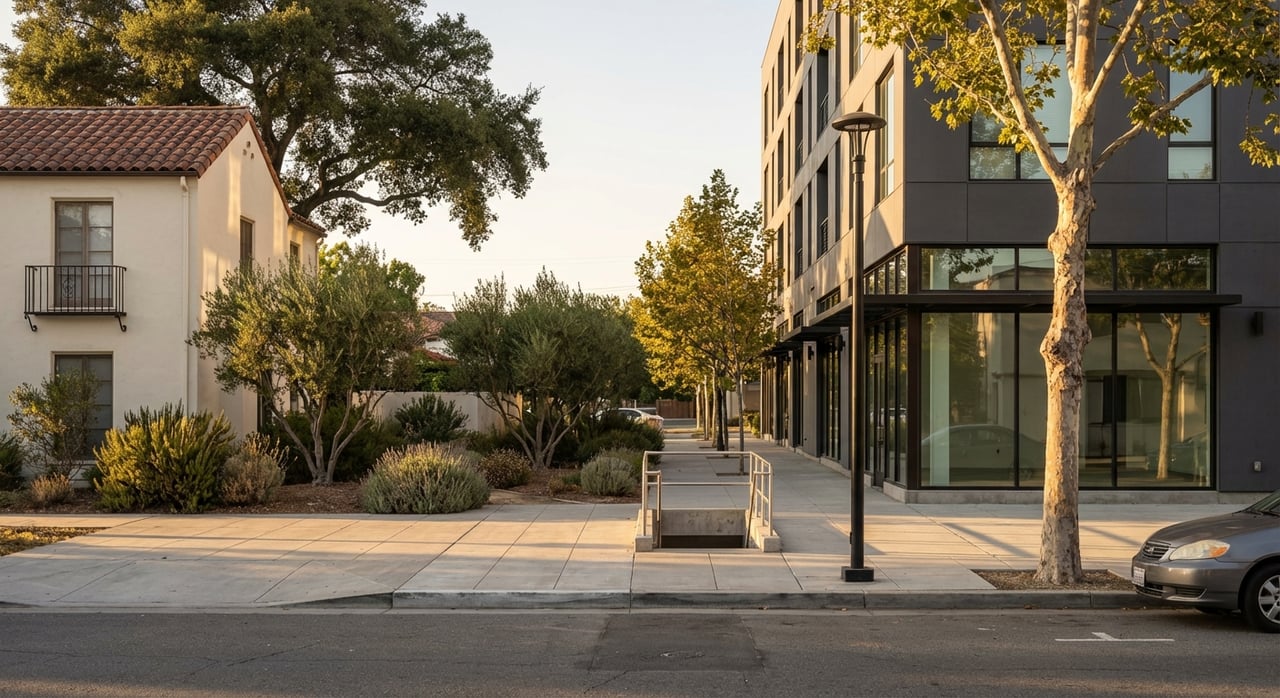
Newer mixed-use projects near Walnut Creek BART, including The Waymark, concentrate housing and retail next to the station. That growth increases the number of transit-first households and adds to the pedestrian activity around the core. For a snapshot of a current project, see The Waymark overview.
What homes and rents cost
Downtown-adjacent living in Walnut Creek spans condos, townhomes, and single-family homes, and pricing varies by lot size and distance to the core.
- Home values. Recent market trackers show different measures. Redfin reported a citywide median sale price around 795,000 dollars in January 2026. Zillow’s Home Value Index placed the typical Walnut Creek home near or slightly above 1.0 million dollars in the same period. The gap reflects different methodologies and time windows rather than a contradiction. Use both to frame expectations and then refine by neighborhood and property type.
- Neighborhood differences. Medians inside narrowly defined downtown tracts can read lower than pockets north or west of the core, where larger lots and single-family stock lift prices. Proximity to Broadway Plaza and BART, along with lot size and condition, are key drivers.
- Rents. Typical asking rents for one- and two-bedroom units in Walnut Creek have been in the low-to-mid thousands, with averages in the mid-2,700s in late January 2026. Transit-adjacent and downtown buildings often rent at a premium relative to farther-out suburbs.
These numbers change with season and inventory. If you are buying or selling soon, plan on a current valuation or property-specific review rather than relying on citywide figures.
Is this lifestyle a fit?
You might love living near downtown Walnut Creek if you want:
- A walkable daily routine with shopping, cafés, and arts in easy reach.
- Approximate 30 to 40 minute BART access to downtown San Francisco and shorter rides to Oakland.
- Quick trail and park access for morning runs, dog walks, or after-work hikes.
- A choice between close-in, smaller-yard homes and larger-lot areas a short drive away.
You might feel stretched if you prefer:
- Ultra-quiet streets every evening. The core gets lively, especially on weekends.
- Abundant on-street parking at peak times. Popular blocks fill quickly.
- Lower monthly costs. Many downtown-proximate pockets carry a premium.
Smart next steps
- Clarify your routine. List your top three daily needs, like commute window, walkable dining, or trail access. This narrows your target pockets fast.
- Test the commute. Ride BART at your likely times and explore the Walnut Creek station page for parking and bike options.
- Try the last mile. Ride the free Downtown Trolley or bike the Iron Horse connectors to see what feels natural.
- Walk the blocks. Visit on a weekday evening and a Saturday afternoon to get a realistic feel for activity and parking.
- Get a current read on value. Citywide medians are only a starting point. Ask for a property-specific valuation, plus recent comps within your target pocket.
Ready to explore the right streets, buildings, and price points with a calm, data-driven plan? Connect with Nancy Noman for a curated search, private inventory access, and clear, step-by-step guidance.
FAQs
How walkable is downtown Walnut Creek for daily errands?
- Many central blocks post high WalkScore values, and residents near Broadway Plaza often cover shopping, dining, and simple errands on foot. See example WalkScore data for context.
What is the typical BART commute from Walnut Creek to San Francisco?
- Typical rides to downtown San Francisco land around 30 to 40 minutes, depending on route and time of day. Check schedules and station details on Walnut Creek BART.
Are there free local shuttles that connect BART and downtown?
- Yes. The County Connection “Downtown Trolley” and other free shuttles link BART, Broadway Plaza, and nearby offices and venues. See current routes on 511 Contra Costa.
Which parks and trails are closest to the downtown core?
- Heather Farm Park is a short drive north with extensive facilities, and the Iron Horse Regional Trail connects to the east side for bike and pedestrian access. Explore Heather Farm Park and the Iron Horse corridor.
What downtown events should new residents know about?
- The year-round Sunday farmers’ market anchors the weekend and pairs well with seasonal Locust Street events and shows at the Lesher Center. Check times on the farmers’ market page.